


Foods That Support Healthy Glutathione Levels

Are You Keeping Up With Your Body’s Glutathione Needs?
Glutathione is often referred to as the body’s “master antioxidant” because of its important role in supporting normal immune function, cellular metabolism, and overall cellular regulation.
The body naturally produces glutathione, but research suggests that levels may decline with age and may also be influenced by factors such as diet, lifestyle, stress, and environmental exposures.
Because of this, many people focus on supporting their body’s natural glutathione production through nutrition and healthy lifestyle habits.
Why Glutathione Is Important for Your Health
Glutathione plays an important role in supporting normal immune system function and helping the body manage oxidative stress.
Oxidative stress is a natural biological process that occurs when there is an imbalance between free radicals and the body’s antioxidant defenses.
Supporting healthy glutathione levels is an important part of overall wellness, particularly as the body ages.
Some of the roles associated with normal glutathione function include supporting:
- brain health and cognitive function
- normal inflammatory response
- liver detoxification processes
- skin health and appearance
- physical performance and recovery
- immune system function
Because glutathione is involved in many normal cellular processes, maintaining adequate levels is considered important for long-term wellness.
Foods That Support Healthy Glutathione Levels
The body relies on amino acids, vitamins, and minerals to support its natural glutathione production.
A balanced diet that includes a variety of whole foods can help provide these nutrients.
Animal Proteins
Foods such as poultry, beef, fish, and eggs provide amino acids like cysteine and methionine, which are used by the body in the natural production of glutathione.
These nutrients help supply the building blocks needed for normal antioxidant activity.
Cruciferous Vegetables
Cruciferous vegetables contain naturally occurring compounds that support the body’s detoxification pathways.
Examples include: brussels sprouts, broccoli, kale, cauliflower, mustard greens, watercress
Studies suggest that diets rich in cruciferous vegetables are associated with healthy antioxidant activity in the body.
Vitamin C–Rich Foods
Vitamin C plays an important role in supporting the body’s antioxidant network.
It also helps maintain glutathione in its active form, supporting normal recycling processes within cells.
Foods rich in vitamin C include: citrus fruits, strawberries, papaya, kiwi, bell peppers
Selenium-Rich Foods
Selenium is an essential mineral that supports enzymes involved in antioxidant activity.
Food sources include: fish, poultry, beef, eggs, brown rice, Brazil nuts
Because selenium intake needs to remain balanced, it is best obtained through food sources rather than high-dose supplementation.
Whey Protein
Whey protein provides amino acids that are used by the body in the production of glutathione, including cysteine.
Some research suggests that adequate protein intake may support the body’s natural antioxidant processes, particularly in physically active individuals.
Naturally Occurring Glutathione in Foods
Some foods naturally contain glutathione, including: spinach, avocados, asparagus, okra
However, dietary glutathione is not considered highly stable during digestion and food preparation, which is why nutritional strategies often focus on supporting the body’s own production pathways.
Turmeric and Curcumin
Turmeric contains curcumin, a compound that has been studied for its role in supporting normal antioxidant activity in the body.
Curcumin is typically studied in concentrated extract form, which is more bioavailable than culinary turmeric used in cooking.
Even so, turmeric remains a useful addition to a balanced diet and overall wellness routine.
Supporting Glutathione Through Supplementation
It can be difficult to consistently obtain all necessary nutrients through diet alone.
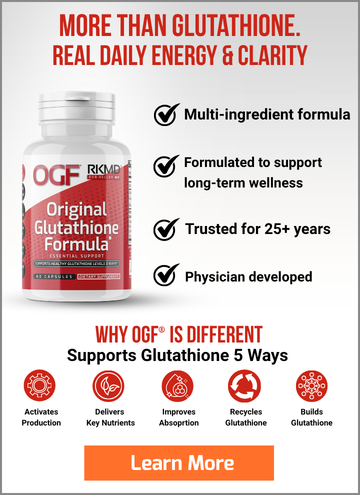
Original Glutathione Formula® (OGF®) is designed with nutrients that support multiple pathways involved in the body’s natural glutathione production and recycling processes.
Rather than providing glutathione directly, OGF® supplies key nutrients that support normal cellular antioxidant function as part of a daily wellness routine.
This multi-pathway approach is what differentiates OGF® from many single-nutrient formulas that focus on only one aspect of antioxidant support
These statements have not been evaluated by the Food and Drug Administration. This product is not intended to diagnose, treat, cure, or prevent any disease.







Recent Posts