


9 Healthy Habits to Support Healthy Aging

Aging is a natural part of life, and it can affect many aspects of the body over time. Changes in skin, muscle mass, sleep patterns, memory, and other areas can all occur as the years go by.
Genetics play a role in how the body changes with age, but everyday habits also matter. Regular physical activity, nutritious food, adequate hydration, quality sleep, stress management, and social connection can all be part of a healthy lifestyle.
If the goal is to support overall wellness and help the body function well as the years go by, these nine habits are worth making part of a daily routine.
Exercise
Regular physical activity is an important part of maintaining overall health as you get older.

Exercise can help maintain muscle strength, balance, flexibility, and cardiovascular fitness. It can also support healthy blood sugar and blood pressure levels and help maintain cognitive function.
For older adults, staying active does not necessarily mean intense workouts. Walking, swimming, cycling, strength exercises, stretching, and other activities can all contribute to a regular movement routine.
The key is consistency. Finding activities that are enjoyable and appropriate for your fitness level can make it easier to stay active over time.
Eat a Healthy Diet
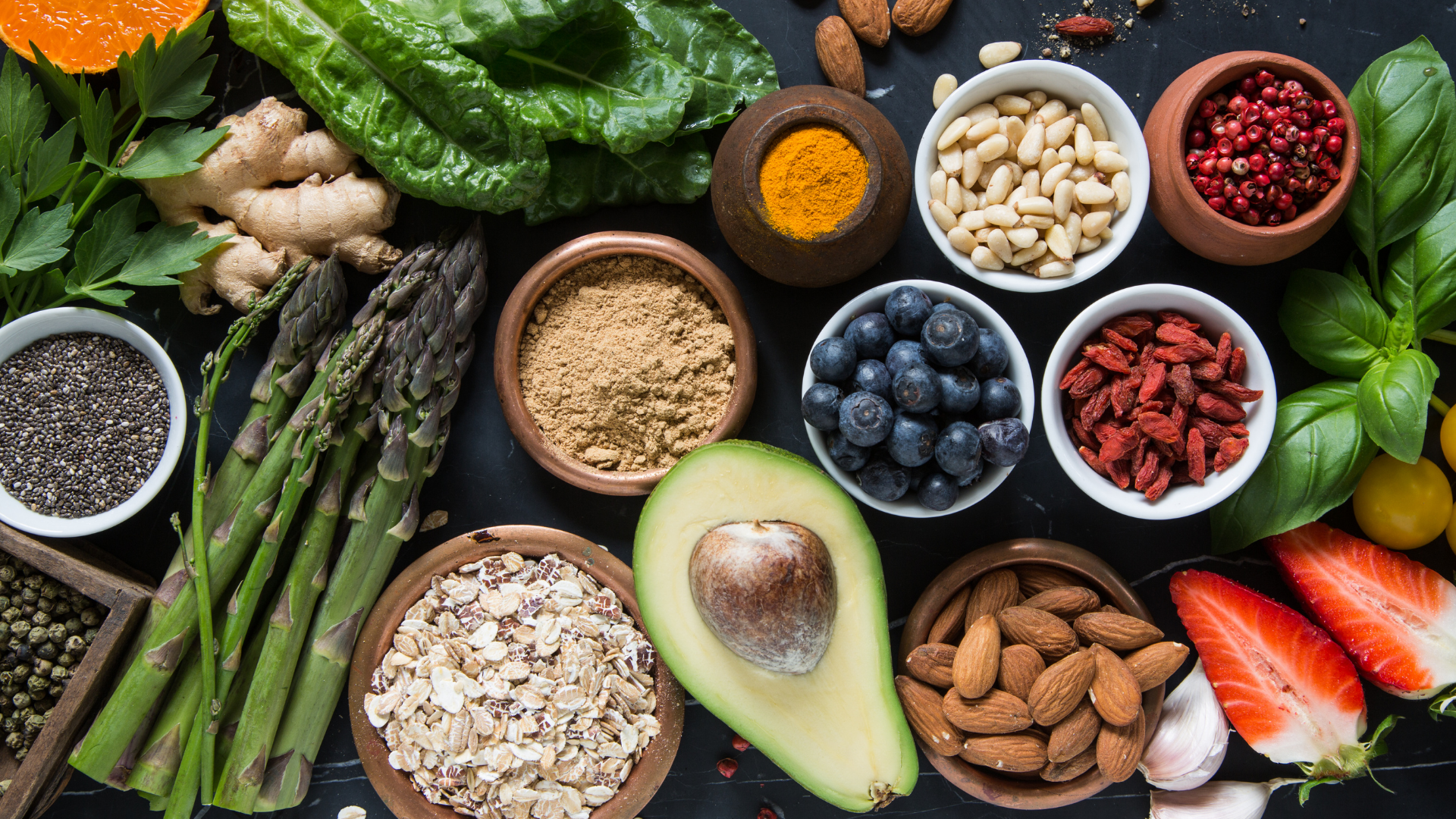
A balanced diet provides the nutrients the body needs to function properly.
Focus on a variety of whole foods, including vegetables, fruits, whole grains, lean proteins, beans, nuts, seeds, and other nutrient-rich choices. Limiting highly processed foods and added sugars can also help support overall dietary quality.
Protein is particularly important as you get older because it provides amino acids needed for maintaining muscle tissue. Including protein-rich foods throughout the day can help make it easier to meet daily nutritional needs.
A healthy diet does not have to be complicated. A variety of nutrient-dense foods can provide many of the vitamins, minerals, protein, and other nutrients the body uses every day.
Stay Hydrated
Water plays an important role in many normal functions throughout the body, including temperature regulation, digestion, circulation, and waste removal.
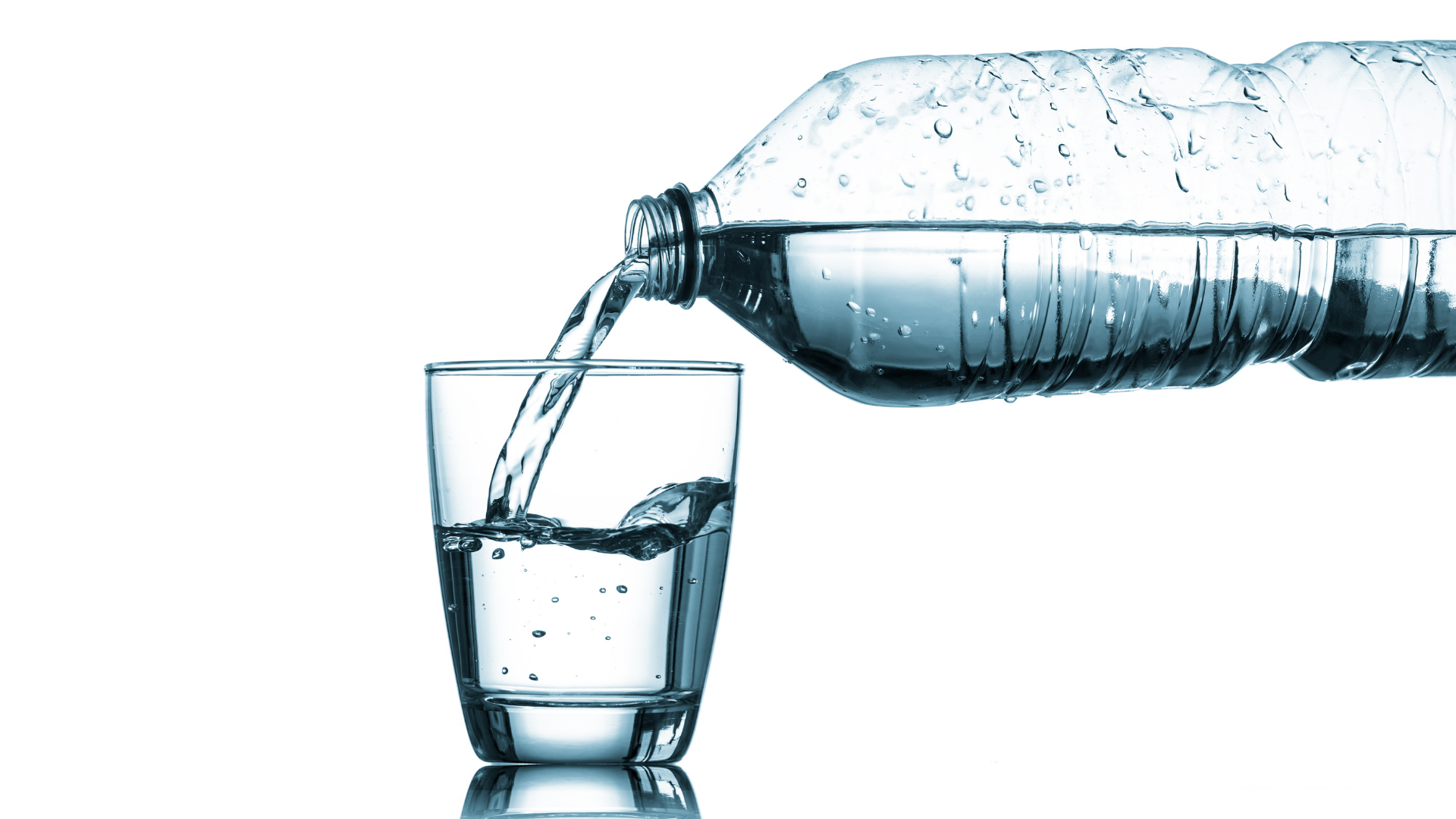
Older adults may be more likely to become dehydrated because the sensation of thirst can change with age. Certain medications and health circumstances can also affect fluid needs.
Rather than waiting until you feel thirsty, make drinking water regularly part of your daily routine. Keep water nearby throughout the day and consider drinking a glass with meals.
Individual fluid needs vary, particularly for people taking certain medications or managing specific health conditions, so a healthcare professional can provide personalized guidance when needed.
Get Enough Sleep

Quality sleep is an important part of overall wellness at every age.
During sleep, the body carries out many normal maintenance processes, while the brain is involved in memory and other important functions. Getting enough sleep can also support daytime alertness and concentration.
If getting enough sleep is difficult, simple changes to your bedtime routine may help. Try keeping a consistent sleep schedule, limiting electronic devices before bed, and keeping the bedroom comfortable, quiet, and dark.
If sleep problems continue, talking with a healthcare professional can help identify possible causes and appropriate next steps.
Manage Stress
Stress is a normal part of life, but finding healthy ways to manage it can contribute to overall well-being.
High levels of ongoing stress can affect sleep, mood, concentration, and daily routines. When stress makes it harder to maintain healthy habits, addressing it becomes especially important.
Relaxation techniques such as meditation, deep breathing, reading, spending time outdoors, or listening to music can provide opportunities to slow down and reset.
There is no single approach that works for everyone. The goal is to find healthy activities that help create moments of relaxation throughout the day.
Stay Social

Staying connected with family, friends, and the community can be an important part of healthy aging.
Social connection provides opportunities for conversation, shared experiences, and meaningful activities. As people get older, changes in work, transportation, mobility, or living arrangements can sometimes make regular social interaction more difficult.
Making an effort to stay connected can be as simple as calling a friend, having lunch with family, joining a group, volunteering, attending community activities, or participating in a favorite hobby.
Social activities can also provide opportunities to keep learning, stay engaged, and enjoy time with other people.
Spend Time Outdoors

Spending time outside can provide an opportunity for movement, fresh air, and exposure to natural light.
Sunlight helps the body produce vitamin D, which plays a role in maintaining normal bone health and other functions. However, vitamin D needs vary from person to person, and excessive sun exposure can damage the skin.
Outdoor activities do not need to be strenuous. A walk around the neighborhood, gardening, sitting on the patio, or enjoying time at a local park can all provide an opportunity to spend more time outside.
Protect Your Skin From the Sun
Time outdoors can be beneficial, but protecting the skin from excessive ultraviolet (UV) exposure is also important.
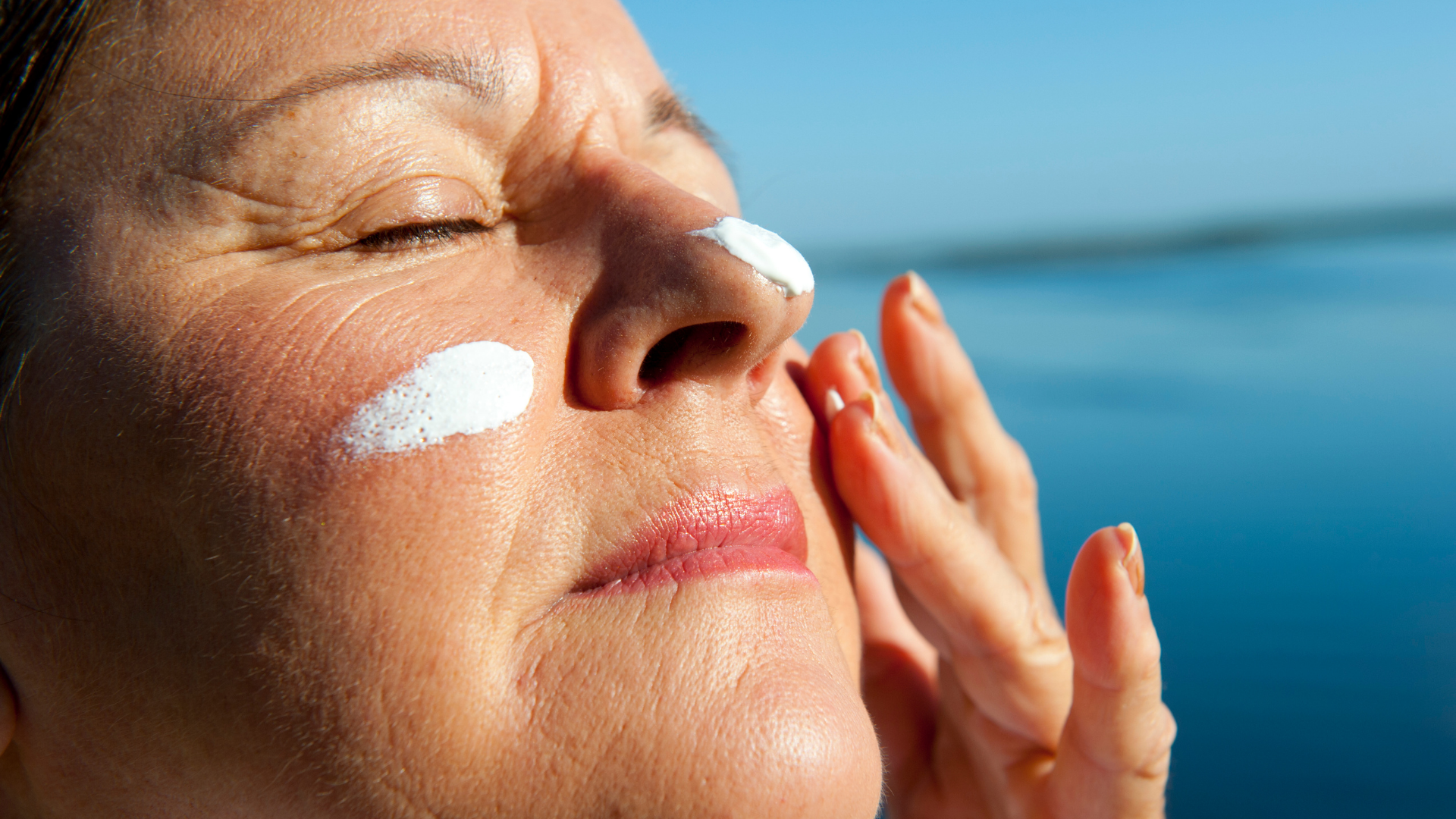
Over time, repeated UV exposure can contribute to visible changes in the skin, including wrinkles, uneven skin tone, and other signs of sun damage.
When spending extended time outdoors, consider seeking shade, wearing protective clothing, and using a broad-spectrum sunscreen with an SPF of 30 or higher.
Sun protection can be part of a simple daily skincare routine, particularly for areas that receive regular sun exposure.
Support Glutathione Production With OGF®
Glutathione is a naturally occurring antioxidant found throughout the body. It is involved in normal cellular processes that help maintain the body’s antioxidant balance.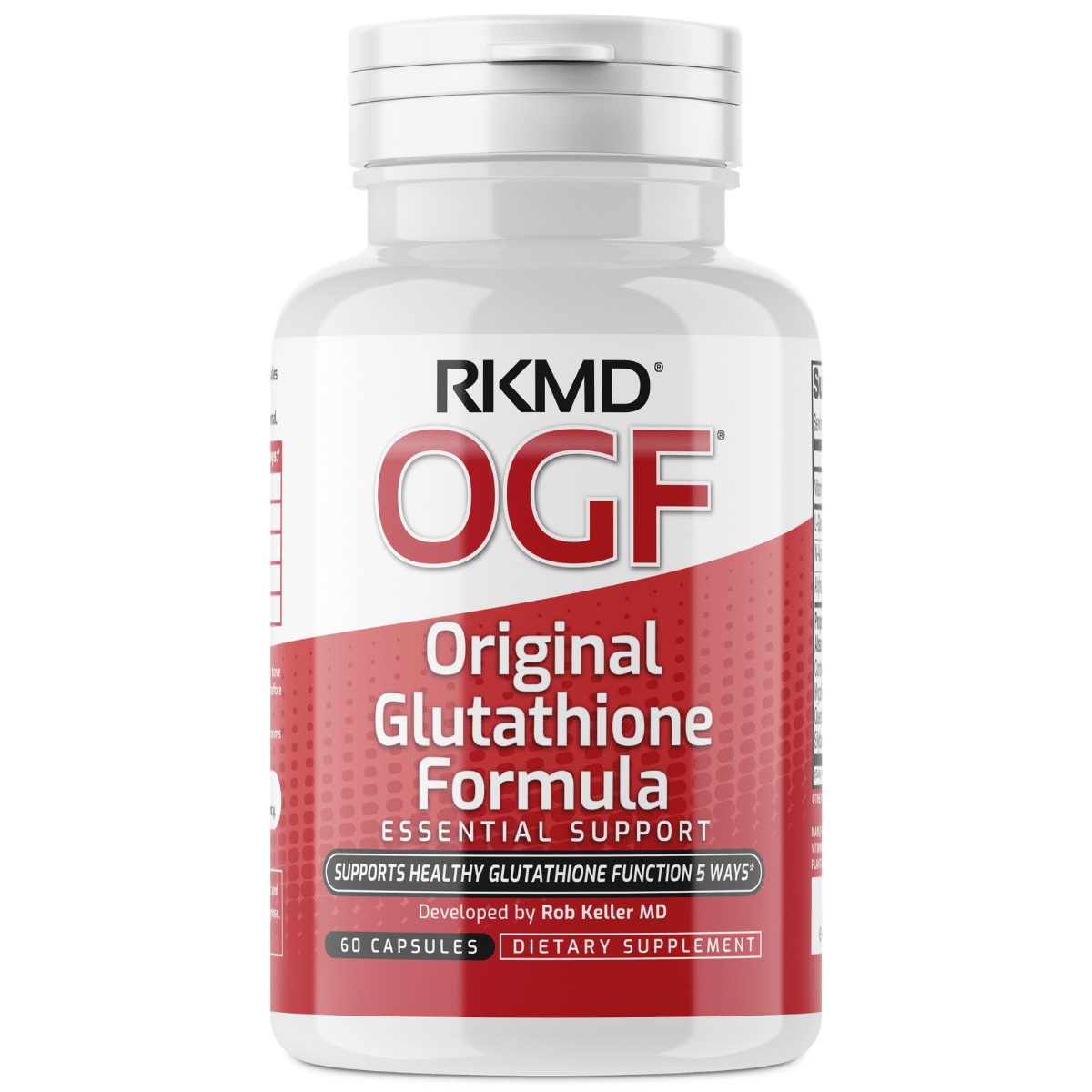
The body produces glutathione from several amino acids and nutrients. Glutathione can also move between its reduced and oxidized forms as part of normal cellular antioxidant processes.
Nutritional factors are one part of the body’s ability to produce and recycle glutathione. OGF®, Original Glutathione Formula®, provides a combination of nutrients selected to support the body’s natural glutathione production and related antioxidant processes.
OGF® contains N-acetyl cysteine (NAC), along with other nutrients including vitamin C, alpha-lipoic acid, quercetin, milk thistle, and additional nutritional compounds.
Supporting normal glutathione production can be one component of an overall wellness routine, alongside healthy habits such as regular movement, nutritious food, adequate hydration, quality sleep, stress management, social connection, and sun protection.








Recent Posts